Here's the thing about meal prepping nobody tells you: the average American household throws away $1,500 worth of food every single year. That's not a typo. According to the USDA, we're basically lighting a decent vacation's worth of groceries on fire and watching it burn in the back of the fridge.
I used to be the worst offender. My crisper drawer was where produce went to die, and my bank account felt it. Then I started meal prepping — not the Instagram-perfect, 47-container, Sunday-marathon kind, but the realistic, budget-friendly version that actually fits a chaotic life. Here's what I've learned, and the hacks that genuinely move the needle on both your wallet and your calendar.
The Real Math Behind Meal Prepping (It's Not What You Think)
Let's be honest — most meal prep advice sounds like it was written by someone who's never worked a 50-hour week. "Just spend four hours every Sunday cooking!" Sure, Jan. But here's what most people miss: meal prepping isn't about cooking everything at once. It's about removing friction from your future decisions.
The savings compound in ways you don't expect. When I stopped buying lunch at work, I didn't just save the $12 sandwich — I stopped tacking on the $4 coffee and the $3 "I deserve a treat" cookie. That's $19 a day, five days a week. Do the math. That's over $4,900 a year. Suddenly that Sunday effort looks like the highest-paid hour of your week.
And there's a hidden benefit nobody talks about: decision fatigue. When your lunch is already decided, you free up mental bandwidth for things that actually matter. I've found that my whole week feels calmer when I'm not standing in front of the fridge at 12:30 pm having an existential crisis about leftovers.
Hacks 1-3: The Grocery Store Is Where You Win or Lose
Everything starts at the store. If you walk in without a plan, no amount of Sunday cooking will save you.
1. Shop the "manager's special" shelf first. Every supermarket has a discount meat and produce section — usually near the back or beside the butcher counter. These items are marked down because they're near their sell-by date, which means they're perfect for prepping today. I've scored organic chicken at 50% off more times than I can count. Cook it or freeze it the same day, and you've just cut your protein budget nearly in half.
2. Build meals around what's on sale, not what you crave. This is the flip most people never make. Instead of planning "chicken tacos" and hoping chicken is cheap, look at the flyer, see that ground turkey is $2.99 a pound, and build around that. Your cravings are more flexible than your budget.
3. Buy the "ugly" produce. Those misshapen peppers and slightly bruised apples taste identical and cost a fraction. Stores like Aldi and discount grocers lean into this hard. Budget-friendly meal prepping starts with being smarter than the store's marketing.

Hacks 4-7: The Kitchen Shortcuts That Save Actual Hours
This is where the time savings live. Cooking everything from scratch is noble, but it's not the goal — efficiency is.
4. The "component prep" method beats full-meal prep. Instead of making five identical containers of the same sad chicken-and-rice, prep components: a big batch of shredded chicken, roasted veggies, cooked grains, and a couple of sauces. Mix and match all week. I've found this kills the "I'm so bored of this food" problem that makes people quit meal prepping by Wednesday.
5. Let your appliances do the heavy lifting. Your slow cooker, Instant Pot, rice cooker, and oven can all run simultaneously. I'll have chicken in the slow cooker, rice going, and vegetables roasting — all while I'm doing literally anything else. Multitasking your appliances is the single biggest time-saver in meal prepping.
6. Freeze in "meal-sized" portions, not giant blocks. Nothing's worse than thawing a five-pound brick of chili because you wanted one serving. Portion into single or double servings before freezing. Future you will be endlessly grateful.
7. Prep once, eat twice (the "cook-once" rule). Every time you cook dinner, double it. Tonight's stir-fry becomes Thursday's lunch. This one habit alone can eliminate half your lunchtime spending without a single dedicated prep session.
Hacks 8-10: The Money Moves Most People Ignore
These are the sneaky ones — the hacks that save money in ways you don't feel until you check your bank statement.
8. Keep a "use-it-up" bin in your fridge. One shelf, front and center, where all the odds and ends go — the half onion, the leftover rice, the wilting spinach. It's your first stop when cooking. This single habit slashed my food waste dramatically.
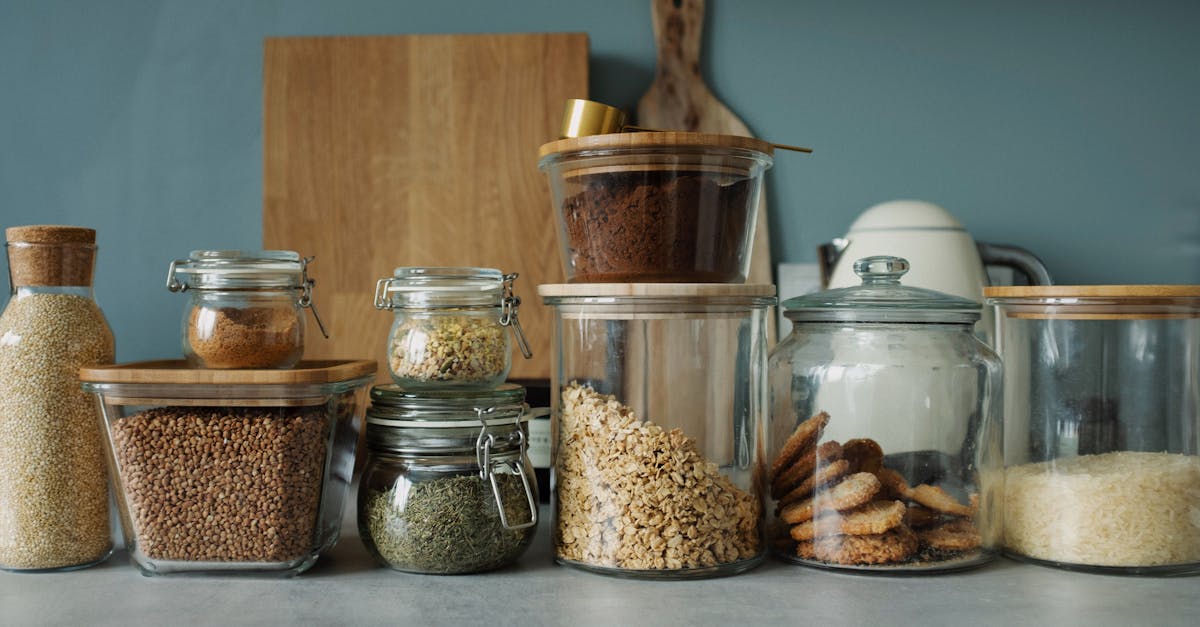
9. Invest in glass containers (once). Cheap plastic warps, stains, and makes leftovers feel sad. Glass containers last years, reheat evenly, and — crucially — make your prepped food look appetizing, which means you'll actually eat it. It's a one-time cost that pays for itself in avoided takeout.
10. Track your "before" spending for two weeks. This is the hack nobody wants to hear, but it's the most powerful. Just two weeks of noting what you spend on food — coffee, snacks, delivery, everything. The number will shock you. That shock is your motivation engine. Budget-friendly meal prepping only sticks when you can see exactly what it's saving you.

The Part Nobody Says Out Loud
Meal prepping isn't about being a perfect domestic goddess with matching containers and a color-coded planner. It's about making tomorrow slightly easier than today. Some weeks I nail it. Some weeks I eat cereal for dinner three nights running and call it "intermittent fasting."
The point isn't perfection — it's compound interest on your habits. Every skipped $15 lunch, every rescued bag of spinach, every dinner that came from the freezer instead of the delivery app is money quietly building in your account. You don't feel it day to day. You feel it when you check your balance and realize you've got a little more breathing room than you did three months ago.
So here's my challenge to you: pick just one hack from this list and try it this week. Not all ten. One. The manager's special shelf. The cook-once rule. The use-it-up bin. Start small, and let the savings sneak up on you.
Your future self — and your bank account — will thank you.